
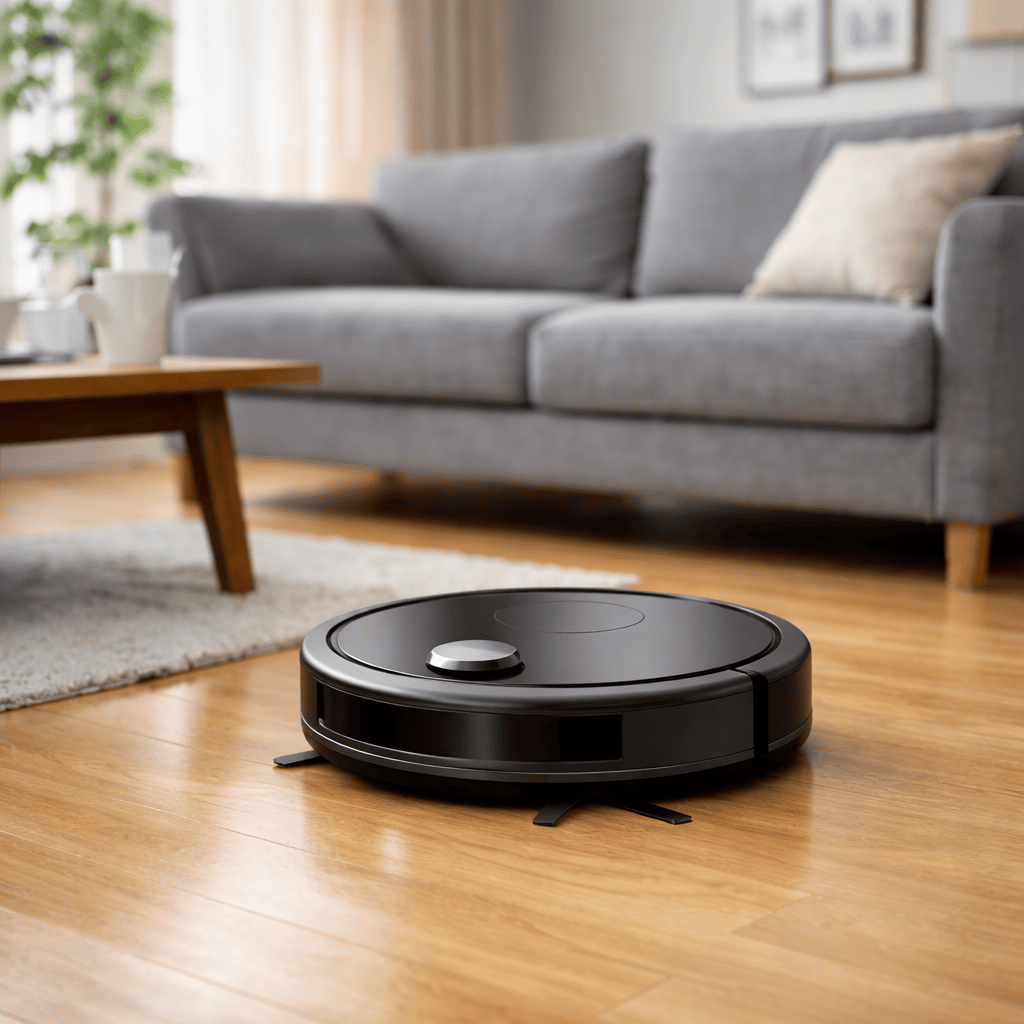
Robot vacuum cleaners are now a common part of everyday cleaning in UK homes — from compact city flats to busy family houses. But one question still comes up again and again:
How often should you run a robot vacuum in the UK?
The answer isn’t the same for everyone. Cleaning frequency depends on your flooring, household size, pets, and how much daily foot traffic your home gets.
This guide explains the ideal robot vacuum cleaning schedule for UK homes, how it affects running costs, filter wear, battery lifespan, and when daily cleaning actually makes sense.
The Short Answer (UK Homes)
For most UK households:
- Daily or every other day → flats, pet owners, carpeted homes
- 2–3 times per week → average family homes
- 1–2 times per week → low-traffic or single-occupant homes
Running a robotic hoover little and often usually delivers better results than waiting until floors look dirty.
Why Cleaning Frequency Matters in the UK
UK homes have some unique characteristics:
- A high percentage of carpeted floors
- Smaller average living spaces
- Mud, rain, and grit regularly tracked indoors
- Growing use of robot vacuum and mop combinations
Frequent cleaning prevents dust and grit from embedding into carpets, reduces allergens, and lowers the need for heavy manual vacuuming.
How Often Should You Run a Robot Vacuum Based on Your Home?
UK Flats & Apartments
Recommended frequency:
➡️ Daily or every other day
Dust builds up quickly in smaller spaces, especially in flats near busy roads. Even a best budget robot vacuum can keep floors consistently clean when used regularly.
Daily schedules also reduce how much dirt the robot needs to handle in a single run, improving long-term reliability.
Homes with Carpets (Very Common in the UK)
Recommended frequency:
➡️ 3–5 times per week
Carpets trap dust, hair, and allergens far more than hard floors. If you use a robot vacuum for carpet or a robot vacuum cleaner for carpet, frequency matters more than raw suction power.
Regular runs help the robot lift dirt gradually, which is how the best rated robot vacuum cleaners are designed to work.
UK Homes with Pets
Recommended frequency:
➡️ Daily
Pet hair and dander build up fast. Running your robot vacuum daily:
- Prevents hair tangling
- Keeps filters cleaner
- Reduces odours
Homes with pets often benefit from a robot hoover and mop, especially during wet UK weather.
Busy UK Families
Recommended frequency:
➡️ Daily (scheduled)
For families, consistency beats deep cleaning. Daily runs:
- Keep kitchens and hallways under control
- Reduce weekend cleaning
- Make maintenance predictable
This is where a best robot vacuum and mop or self-emptying model becomes genuinely useful.
Low-Traffic or Single-Occupant Homes
Recommended frequency:
➡️ 1–2 times per week
If your home has minimal foot traffic and mostly hard floors, running a robot vacuum every day is unnecessary. Even a best affordable robot vacuum will cope easily with a lighter schedule.
Is It Bad to Run a Robot Vacuum Every Day?
No — not if the robot is designed for regular use.
In fact, daily cleaning often:
- Reduces strain on the motor
- Prevents dirt compacting in brushes
- Keeps performance consistent
Problems usually come from poor filter maintenance, not frequent cleaning. If you’re unsure when to service filters, this guide explains how often you should replace robot vacuum filters in the UK.
Daily vs Weekly Cleaning: Cost & Maintenance
Many owners worry that frequent use increases costs, but that’s rarely the case.
Light, regular cleaning often results in lower long-term ownership costs, especially once you understand the real robot vacuum maintenance cost in the UK.
| Cleaning Frequency | Impact |
|---|---|
| Daily | Cleaner floors, less manual cleaning |
| 2–3x per week | Balanced for most homes |
| Weekly | Dirt builds up, deeper cleans needed |
What About Battery Lifespan?
Battery wear is a common concern, but modern robot vacuum cleaners are built for frequent charging.
In most UK homes:
- Batteries last 2–4 years
- Light, regular use is better than deep, infrequent runs
If you want a full breakdown, this guide explains how long robot vacuum batteries last in UK homes and what affects longevity.
Does Mopping Change the Schedule?
Yes.
If you use a robot vacuum cleaner with mop:
- Vacuum daily or every other day
- Mop 2–3 times per week
This balance keeps floors clean without over-wetting, especially important for UK carpets and laminate flooring.
Best Practice Schedule for UK Homes (Quick Guide)
- Small flats → Daily
- Carpeted homes → 3–5 times per week
- Pet owners → Daily
- Busy families → Daily
- Low-traffic homes → 1–2 times per week
Even a best cheap robot vacuum performs far better with consistent scheduling.
Choosing the Right Robot for Daily Use (Recommended)
If you plan to run your robot frequently, choosing a model built for daily cleaning matters.
Some of the best robot vacuum cleaners for UK homes are designed to handle regular schedules on both carpets and hard floors without driving up maintenance costs.
In our in-depth review, we break down whether the Lefant M2 Pro is a good robot vacuum for everyday UK cleaning — covering real-world performance, battery lifespan, and ongoing maintenance.
👉 Read the full Lefant M2 Pro review – Best Rated Robot Vacuum for UK Homes
Final Thoughts
There’s no single “perfect” cleaning schedule for every UK household. However, most owners get the best results by:
- Running their robot vacuum little and often
- Matching frequency to flooring and lifestyle
- Keeping filters and brushes maintained
Whether you own a best budget robot vacuum cleaner or a premium model, regular use is what turns a robot vacuum from a gadget into a genuinely useful everyday cleaner.
FAQ
Question:
How often should you run a robot vacuum in a UK home?
Answer:
Most UK homes benefit from running a robot vacuum daily or every other day, especially in flats, carpeted homes, or households with pets.
Question:
Is it safe to run a robot vacuum every day?
Answer:
Yes. Modern robot vacuum cleaners are designed for frequent use. Daily cleaning usually reduces strain on the motor and improves long-term performance.
Question:
Does running a robot vacuum daily increase electricity bills in the UK?
Answer:
No. Robot vacuums use very little electricity, and daily use typically adds only a small amount to UK household energy bills.
Question:
How often should robot vacuum filters be replaced in the UK?
Answer:
In most UK homes, robot vacuum filters should be replaced every 2–3 months, depending on usage and whether you have pets.
Affiliate Disclosure: This page contains affiliate links. As an Amazon Associate, we earn from qualifying purchases at no extra cost to you.